 0086-731-88112150 sales@sandegroup.com





 0086-731-88112150 sales@sandegroup.com



There are more than 14,000 known PFAS compounds. Traditional methods such as LC-MS/MS can accurately detect targeted substances, but they are limited when it comes to unknown or emerging PFAS.
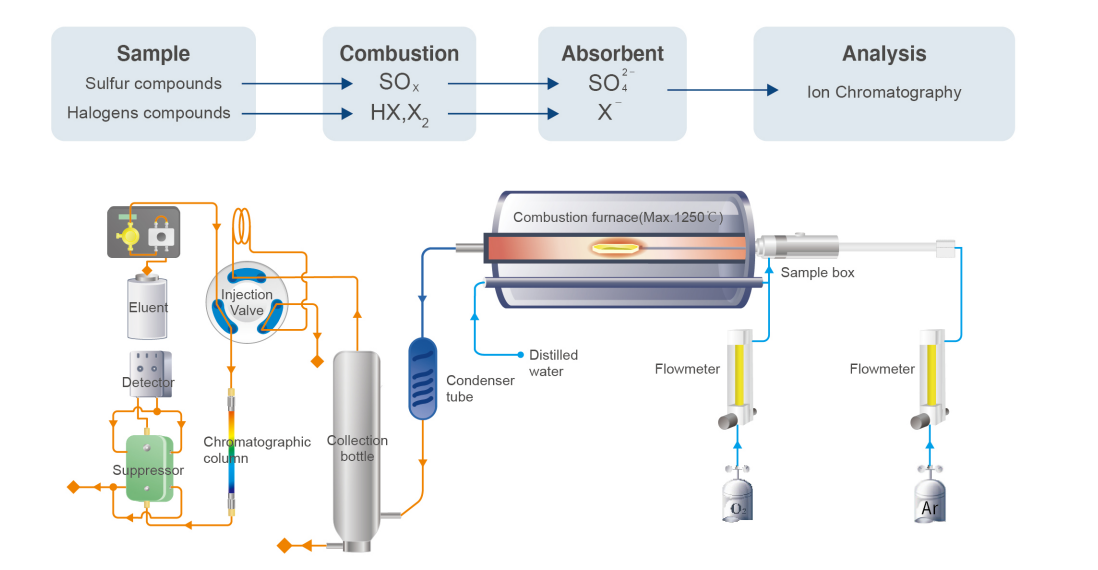
As a result, regulatory authorities in Europe and the United States are increasingly adopting Total Organic Fluorine (TOF) screening methods. This approach converts all organofluorine compounds into fluoride ions through high-temperature combustion, followed by quantitative analysis using ion chromatography—ensuring comprehensive, non-targeted detection.
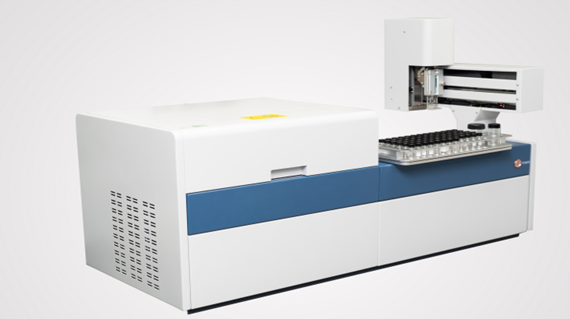
Sundy’s CIC system stands out with its ability to reach combustion temperatures up to 1250°C, ensuring complete decomposition of complex textile matrices such as waterproof coatings and elastic fibers. With a detection limit as low as 0.1 μg/g, it fully meets stringent global regulatory thresholds. And The analysis time is ≤20 minutes per sample, with continuous automatic sampling, enabling rapid response to large-scale textile sample screening needs.
· PFAS Variety and Detection Gaps
Solution: Sundy uses the total organic fluorine (TOF) screening method, which detects all fluorine-containing compounds, including unknown PFAS, ensuring comprehensive compliance and eliminating detection gaps.
· Complex Textile Matrices and Complicated Sample Preprocessing
Solution: The high-temperature combustion method requires no complex extraction procedures, allowing direct analysis of fabrics, coatings, yarns, and other materials, simplifying processes and saving time.
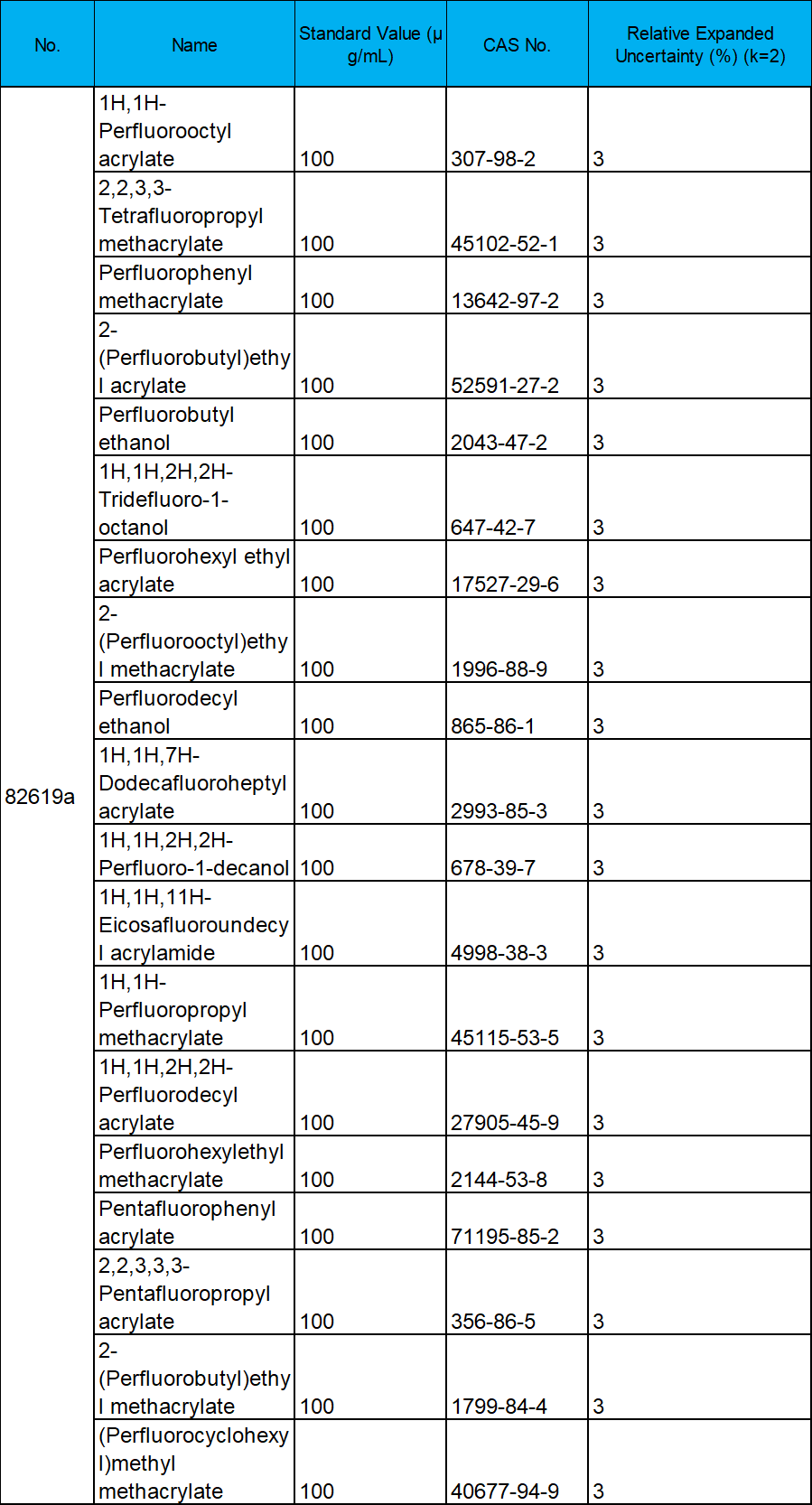
Fibrochem Advanced Materials(Shanghai)CO.,LTD., a leading manufacturer of eco-friendly water- and oil-repellent agents, has adopted Sundy’s CIC system for R&D and quality control of C6 and fluorine-free products.
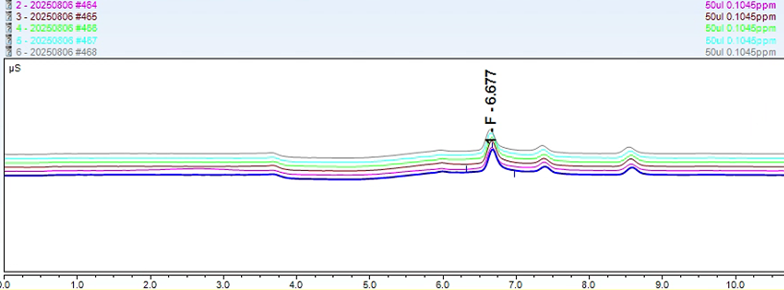
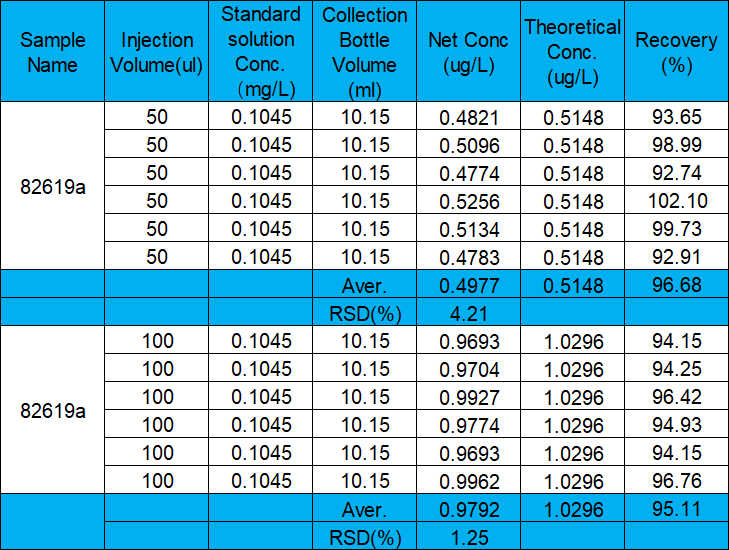
This application demonstrates the system’s reliability and accuracy in analyzing total organic fluorine in complex samples, helping ensure product compliance and process control.
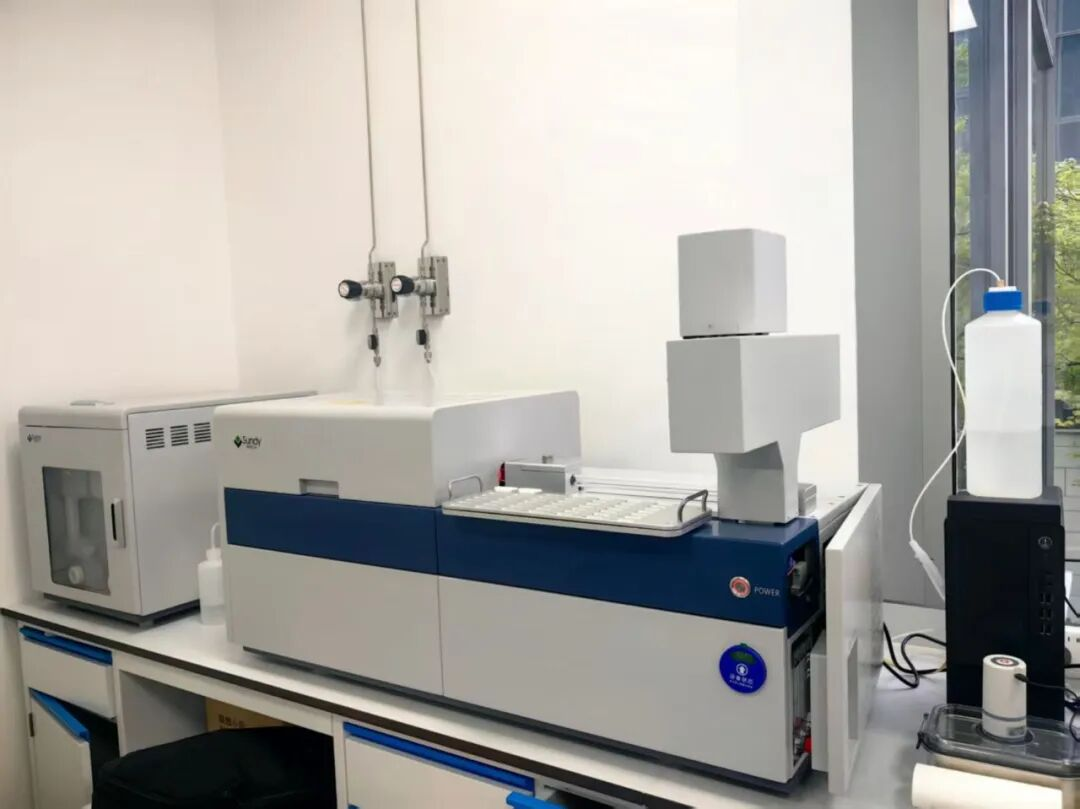 On-site photo of Fibrochem Advanced Materials(Shanghai)CO.,LTD
Sundy’s CIC system supports full lifecycle PFAS compliance in textile production:
· Raw material screening: Detect fluorinated finishing agents in yarns and fabrics
· Process control: Monitor intermediates, wastewater, and emissions
· Final product testing: Generate compliant TOF reports for global markets
· Environmental compliance: Analyze wastewater, sludge, and exhaust gases
This enables manufacturers to proactively manage PFAS risks and meet international regulatory demands.
Sundy’s CIC not only meets domestic and international regulatory requirements but also fully complies with the following international standards to ensure global compliance:
· ASTM D8247, ASTM D7359, ASTM D7994, ISO/FDIS 18127, ISO 19242, UOP 991, EPA Method 1621, DIN 38409-59, IEC 60754-3, IEC 62321-3-2/DIN EN 62321-3-2, KS M 0180-2009
These standards confirm that Sundy’s CIC ensures precise detection across various industries and regions, meeting global PFAS, AOF, and total fluorine compliance requirements.
· Reduce Risk Costs: PFAS compliance testing helps companies avoid returns, lawsuits, and damage to reputation due to PFAS exceedance.
· Enhance Supply Chain Influence: Enterprises with independent total organic fluorine detection capabilities are more likely to secure international brand orders.
· Respond to National Policies: PFAS is listed in China’s priority control pollutants. Early implementation of detection capabilities will help businesses gain a competitive edge under new environmental policies.
The Lululemon case highlights a critical lesson: “PFAS-free” claims cannot rely solely on supplier declarations—they must be backed by traceable and verifiable testing data.
Sundy’s CIC integrated high-temperature combustion furnace with ion chromatography, provides a comprehensive solution for total fluorine and TOF analysis. From raw materials to finished products, and from production to environmental discharge, it empowers textile companies to ensure compliance, reduce risk, and strengthen their competitive position in the global shift toward fluorine-free solutions.



 0086 731 88112150
 0086 731 88134650
 sales@sandegroup.com 0086 731 89864000 0086 731 88134650
service@sandegroup.com
sales@sandegroup.com 0086 731 89864000 0086 731 88134650
service@sandegroup.com  0086 731 88112150 0086 731 88134650
sales@sandegroup.com 0086 731 89864000 0086 731 88134650
service@sandegroup.com
0086 731 88112150 0086 731 88134650
sales@sandegroup.com 0086 731 89864000 0086 731 88134650
service@sandegroup.com 
 Get a Quote
 WhatsApp